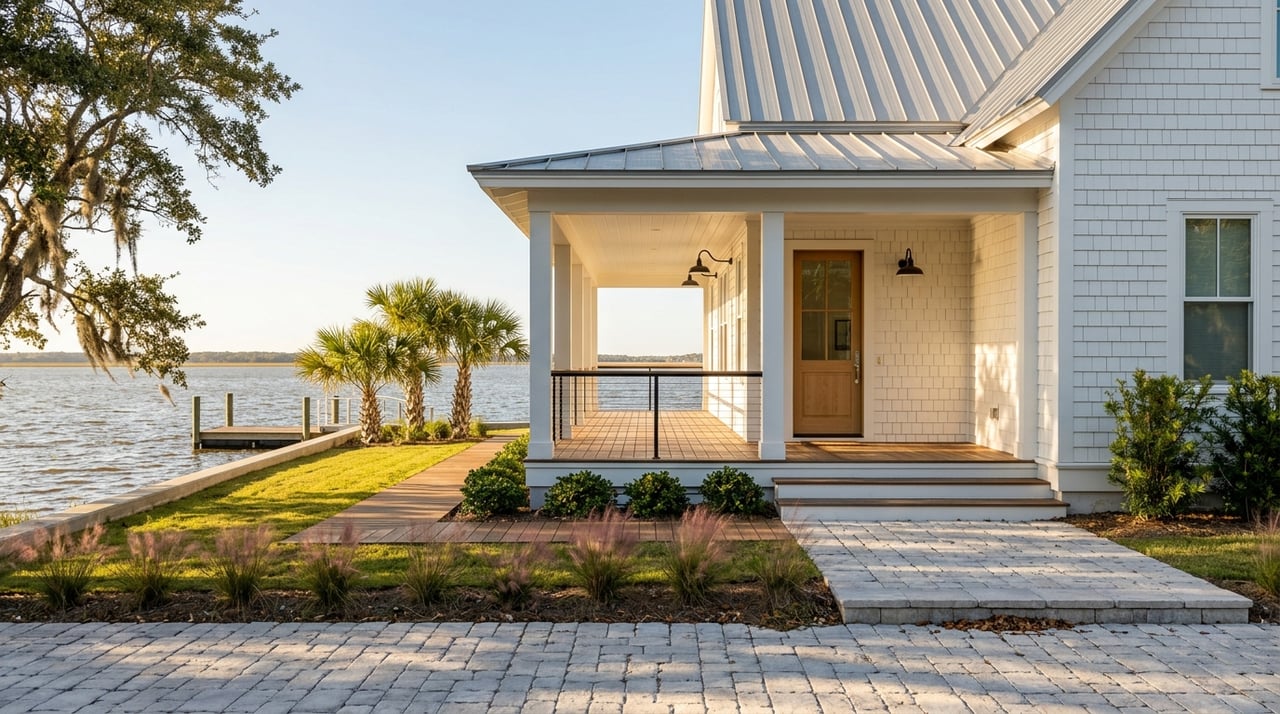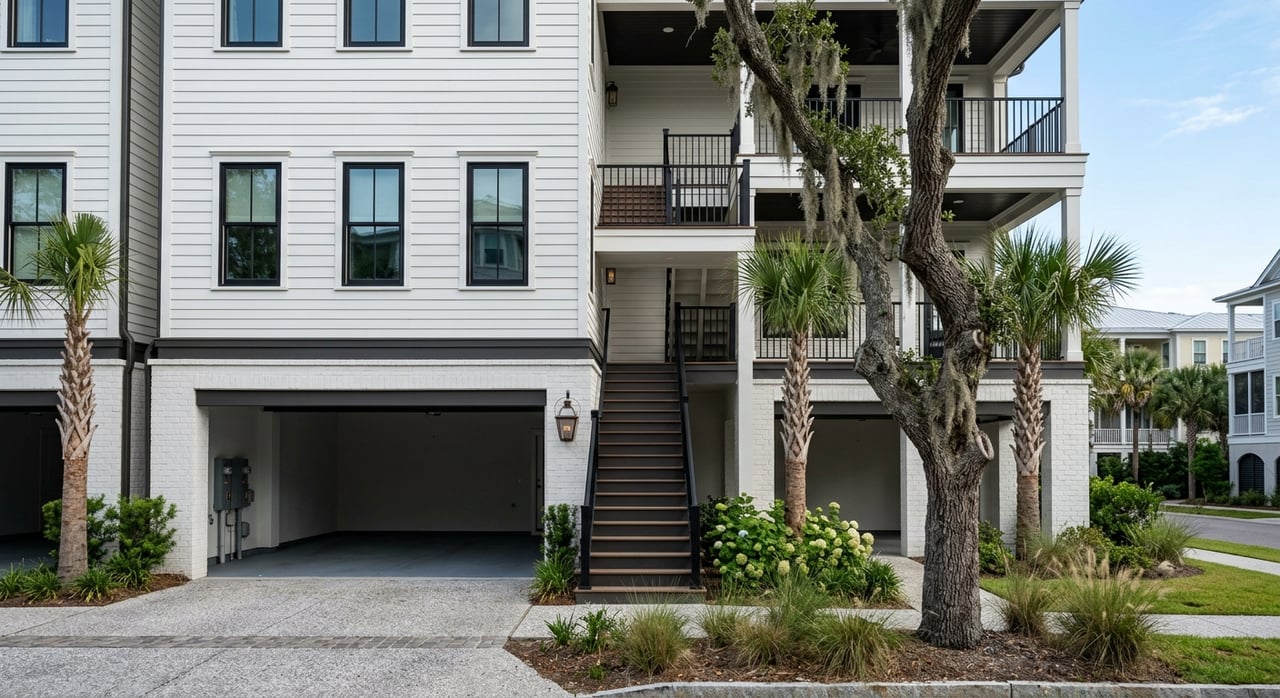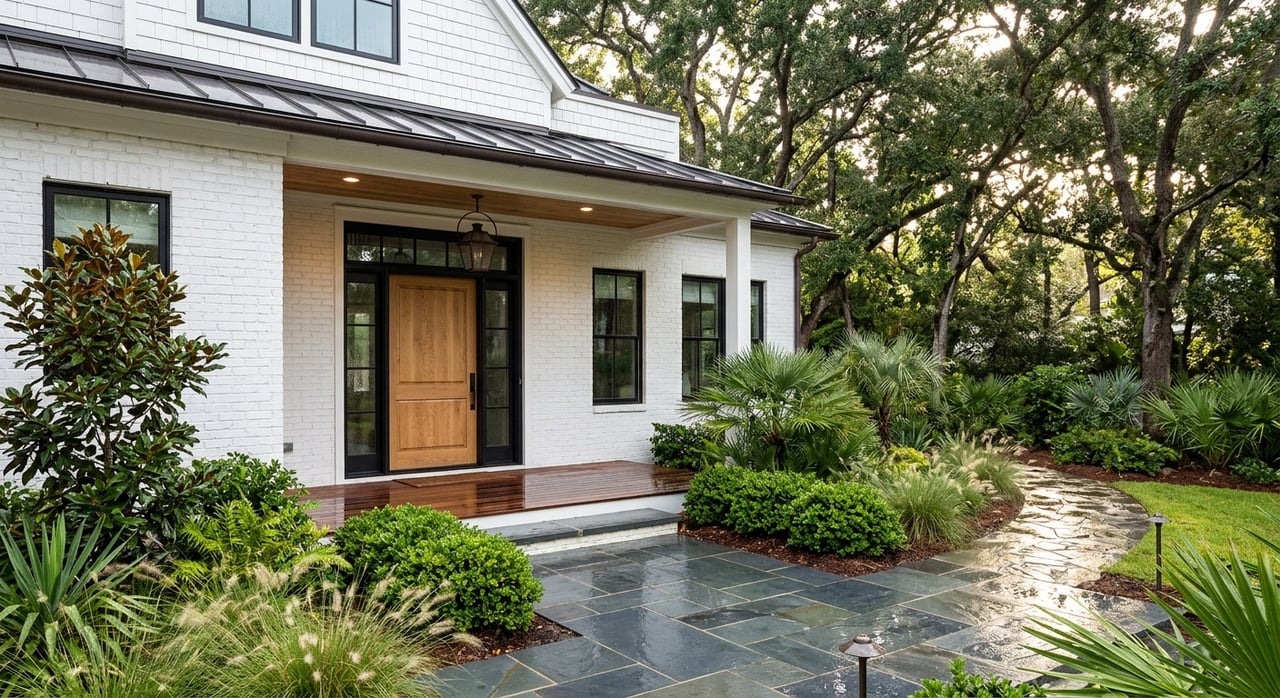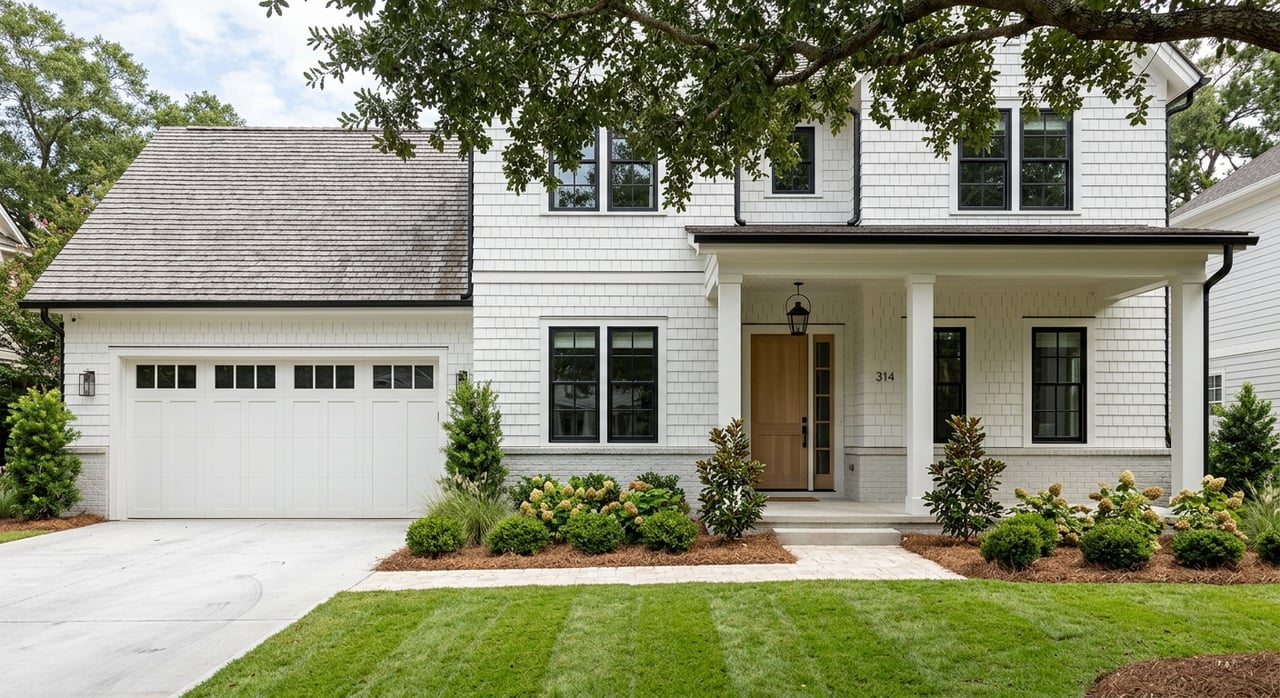
Thinking about moving up from your current Wilmington-area home, but not sure where you will get the biggest lifestyle upgrade? Leland stands out because it offers close access to Wilmington along with a more suburban setting, a wide mix of newer neighborhoods, and amenities that can change your day-to-day routine in meaningful ways. If you want more space, a different neighborhood feel, and a market shaped by long-term growth, Leland deserves a closer look. Let’s dive in.
Leland offers close access
One of Leland’s biggest draws is simple: you can stay connected to Wilmington without living in the middle of it. The Town of Leland describes the community as being just five minutes west of historic downtown Wilmington, with area beaches only a few miles away.
That location matters when you are moving up. You may want a larger home, a newer layout, or more neighborhood amenities, but you may not want to give up easy access to work, dining, shopping, the airport, or the broader Cape Fear region. Leland gives many buyers a practical middle ground.
The town also points to direct access to interstate transportation, the international airport, and the port. For buyers who still rely on Wilmington for work or regular errands, that convenience is a major part of the appeal.
Leland feels like its own market
Leland is not just an overflow option for Wilmington. It has grown into a distinct residential market with its own identity, planning priorities, and neighborhood patterns.
According to the town’s community profile, Leland’s certified population reached 33,065, up 44.33% from 22,908 in 2020. That kind of growth helps explain why so many buyers now view Leland as a destination instead of a backup plan.
The town has also adopted the Leland 2045 comprehensive land use plan to guide development, land use, and open-space preservation as growth continues. For a move-up buyer, that signals a community that is actively thinking about what comes next, not one growing by accident.
Newer homes are a major draw
For many move-up buyers, the next home is not only about more square footage. It is also about finding newer construction, more modern floor plans, updated finishes, and neighborhood layouts that match how you want to live now.
Leland’s housing landscape strongly supports that search. The town’s parks, recreation, and open space master plan identifies several private recreation communities, including Brunswick Forest, Grayson Park, Magnolia Greens, Mallory Creek, Waterford, Westport, and Windsor Park.
That concentration of planned communities is important. It means buyers often have access to neighborhoods where homes, amenities, and common spaces were designed as part of a larger vision instead of pieced together over time.
Planned communities shape the lifestyle
Leland appeals to move-up buyers in part because so many neighborhoods offer more than houses. They often include the kind of built-in lifestyle features that buyers want after outgrowing a starter home.
The town’s planning materials list amenities across local communities such as pools, clubhouses, golf, tennis, pickleball, walking trails, and water access. When you are comparing options, those features can matter just as much as an extra bedroom or a larger yard.
In practical terms, planned-community living can make daily life easier and more enjoyable. Sidewalks, trails, recreation spaces, and neighborhood gathering areas often create a stronger sense of convenience for buyers who want both comfort and function.
Brunswick Forest shows the model
Brunswick Forest is one of the clearest examples of why Leland attracts move-up buyers. Its official community information describes a 4,500-acre coastal community with tree-lined streets, sidewalks, trails, pocket parks, and common gathering spaces.
The neighborhood also includes a town center with shopping, dining, medical care, spa services, veterinary care, and other daily-use services. For many buyers, that kind of setup adds convenience that goes far beyond the home itself.
Brunswick Forest also offers multiple neighborhoods and home-package options, including townhomes and single-family homes. That variety can be appealing if you want to move up while still narrowing your search around a specific layout, maintenance level, or lifestyle preference.
Other communities add more options
Brunswick Forest is not the only example. Compass Pointe highlights amenities such as a Grand Lanai, outdoor pool, lazy river, wellness center, and private golf club.
Waterford’s HOA describes 19 gate-protected neighborhoods connected by recreational pathways and waterways, along with tennis, pickleball, a fitness center, swimming, and beach volleyball. Together, these communities show how broad the amenity story is in Leland.
For buyers, that means you are often choosing between different neighborhood experiences, not just comparing addresses. That is a big shift from markets where amenities are limited to a smaller number of developments.
Amenities matter in a move-up search
Once you move beyond your first home, your priorities often change. You may care less about simply getting into the market and more about how your home supports your routine, your interests, and your long-term plans.
Leland’s residents-and-visitors materials emphasize golf, parks, trails, wildlife, and natural amenities. That helps explain why the town often resonates with buyers who want more than a larger property alone.
A neighborhood pool, trail system, fitness space, or nearby daily services may not show up in a standard home search filter, but they can make a major difference in how a home feels over time. For many move-up buyers, those details become part of the value equation.
Leland has a strong owner-oriented feel
Another reason Leland stands out is its owner-occupied housing profile. Census QuickFacts shows an owner-occupied housing rate of 80.6% in Leland compared with 47.6% in Wilmington.
That does not mean one market is automatically better than the other. It does suggest that Leland has a more owner-oriented suburban character, which often aligns with what move-up buyers are seeking.
The same source lists the median value of owner-occupied housing units at $398,900 in Leland and $383,800 in Wilmington. That comparison is useful because it shows Leland is not simply about finding a cheaper option. In many cases, buyers are choosing Leland for a different lifestyle and housing environment.
Growth supports long-term interest
Move-up buyers are often thinking beyond the next year or two. You may be asking whether a town is adding services, managing growth well, and creating a framework that supports long-term appeal.
Leland’s planning documents point in that direction. The Leland 2045 plan frames future parks, schools, community services, and street and trail improvements as part of managing continued growth.
The town’s community profile also highlights the Leland Innovation Park, which includes more than 131 acres of vacant land for new and expanding businesses. That suggests a local outlook shaped by both residential and commercial expansion.
For buyers who think strategically, that matters. A growing town with an active planning framework often feels very different from a market that is static or reacting late to change.
Access comes with tradeoffs
Leland’s location is a major strength, but smart buyers should also understand the transportation picture. If your routine depends on crossing the Cape Fear River often, commute reliability deserves real attention.
The North Carolina Department of Transportation says the Cape Fear Memorial Bridge is the main river crossing between Brunswick and New Hanover counties. NCDOT also says the bridge carries U.S. 17, U.S. 76, and U.S. 421, was built in 1969, and is now considered functionally obsolete.
According to NCDOT, traffic delays, bridge-lift operations, and maintenance needs can make travel times less reliable, and planning and development are underway for a replacement bridge. For move-up buyers, this is not a reason to avoid Leland. It is simply a reminder to weigh neighborhood choice, commute patterns, and timing with care.
Why many buyers make the move
When you put the pieces together, Leland makes sense for buyers who want to upgrade both home and lifestyle. You can stay close to Wilmington while gaining access to newer homes, master-planned neighborhoods, and amenities that are deeply built into the local market.
You are also buying into a town with strong growth, an established suburban identity, and a long-range planning framework. For many Wilmington-area move-up buyers, that combination feels less like a compromise and more like a smart next step.
If you are weighing Leland against Wilmington or other Cape Fear communities, the right decision often comes down to how you want to live every day, not just what home size you want on paper. If you want clear guidance on neighborhoods, planned communities, and long-term value drivers, Will Musselwhite can help you make a confident move.
FAQs
Why does Leland appeal to Wilmington-area move-up buyers?
- Leland appeals to many move-up buyers because it combines close access to Wilmington with newer homes, master-planned neighborhoods, and amenities such as trails, pools, golf, and clubhouses.
Is Leland close to downtown Wilmington?
- Yes. The Town of Leland describes the community as being about five minutes west of historic downtown Wilmington.
What kinds of neighborhoods can you find in Leland?
- Leland includes a range of planned communities such as Brunswick Forest, Grayson Park, Magnolia Greens, Mallory Creek, Waterford, Westport, and Windsor Park.
Are amenities a big part of buying in Leland?
- Yes. Local planning materials show that many Leland communities include features such as pools, clubhouses, golf, tennis, pickleball, trails, and water access.
Is Leland mainly a lower-cost alternative to Wilmington?
- Not necessarily. Census data shows the median value of owner-occupied housing units in Leland is slightly higher than in Wilmington, which suggests buyers are often choosing a different lifestyle and housing environment rather than simply looking for a lower price.
What should Wilmington commuters know about living in Leland?
- Buyers should pay attention to travel patterns across the Cape Fear Memorial Bridge, since NCDOT says delays, bridge lifts, and maintenance needs can affect travel reliability while a replacement bridge is being planned and developed.
Is Leland expected to keep growing?
- Yes. The town’s population has grown quickly, and local planning documents show Leland is actively planning for future development, open-space preservation, and infrastructure improvements.