If you picture riverfront living in Wilmington as quiet docks and tucked-away homes, the reality may surprise you. This part of the city feels more like an active downtown waterfront, where the river, restaurants, events, and daily routines all blend together. If you are wondering whether that energy fits your lifestyle, this guide will help you understand what living here really feels like. Let’s dive in.
Riverfront Living Is Downtown Living
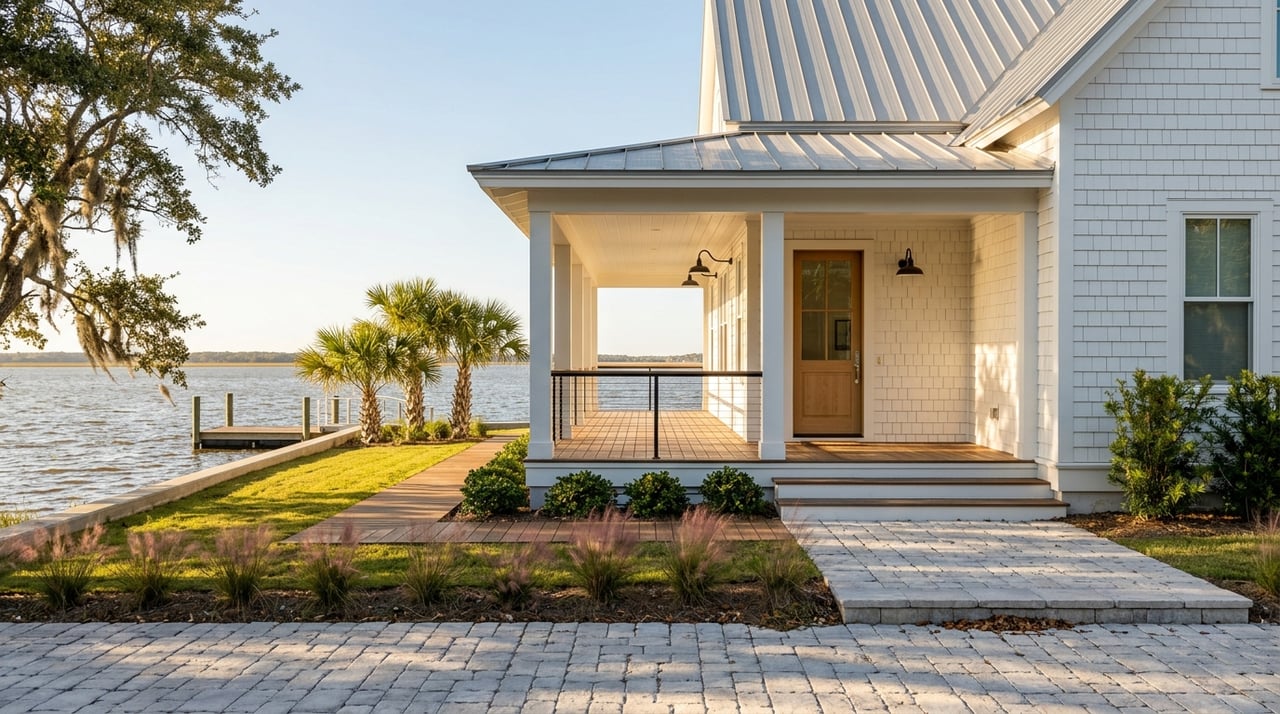
Wilmington’s riverfront centers on the Cape Fear River and the 1.75-mile Riverwalk, which runs from Nun Street to the Isabel Holmes Bridge. The city describes the Riverwalk as its top tourist attraction, and it connects you to parks, dining, shopping, museums, public art, bike-route connections, and public docking.
That matters because riverfront living here is not a separate, hidden enclave. It is part of the larger downtown and River District experience, with historic architecture, newer development, and a visible public waterfront that stays active throughout the week.
The Feel Is Walkable and Social
If you live near the riverfront, much of your routine can happen on foot. Downtown Wilmington includes shops, restaurants, pubs, galleries, museums, theaters, and housing types that range from historic homes to condos, townhomes, and modern apartments.
In practical terms, that creates a lifestyle that feels connected and convenient. You are likely to spend more time walking to dinner, meeting friends for coffee, browsing local businesses, or heading out for an evening activity than you would in a more car-dependent part of town.
Dining and Gathering Are Part of Daily Life
The riverfront and surrounding downtown area are built for being out and about. Local tourism materials point to independently owned cafés and restaurants, river-view dining, rooftop bars, guided tours, and more than 20 craft breweries and bottleshops.
That does not mean you need to be out every night. It does mean the setting naturally supports a social lifestyle, with plenty happening nearby when you want it.
Culture Is Close at Hand
Another key part of the riverfront experience is access to arts and entertainment. Thalian Hall, which dates to 1858, remains active in historic downtown, and the broader River District also includes museums, historic sites, and arts venues.
For many buyers, that adds value beyond the water itself. You are not just choosing a view. You are choosing a setting where local culture is part of everyday life.
The Waterfront Is Public and Active
One of the biggest things to understand is that Wilmington’s riverfront is designed to be used. The Riverwalk brings together residents and visitors, and Riverfront Park adds another layer with public gathering space right on the water.
Riverfront Park is a 6.6-acre public waterfront park near the Isabel Holmes Bridge. It includes a concert venue, festival space, playground, water feature, lawns, gardens, and natural areas, which gives the area a lively rhythm, especially on weekends and during warmer months.
Event Nights Change the Energy
The city notes that amphitheater events at Riverfront Park are managed with Live Nation. If you live nearby, that means some nights will feel more active than others, with higher foot traffic and more public energy around concerts and events.
For some buyers, that is a major plus. For others, it is something to weigh carefully if you prefer a quieter environment.
Boating Can Be Part of the Lifestyle
Port City Marina sits in historic downtown Wilmington and places boaters near the Riverwalk, restaurants, entertainment, and waterfront experiences. The marina offers transient docking, fuel, deep-water slips, full-service amenities, and on-site waterfront dining.
That setup shows how closely boating and downtown life can overlap here. If water access matters to you, the riverfront can offer a daily connection to the water that feels immediate and practical, not just scenic.
Housing Options Are More Varied Than Many Buyers Expect
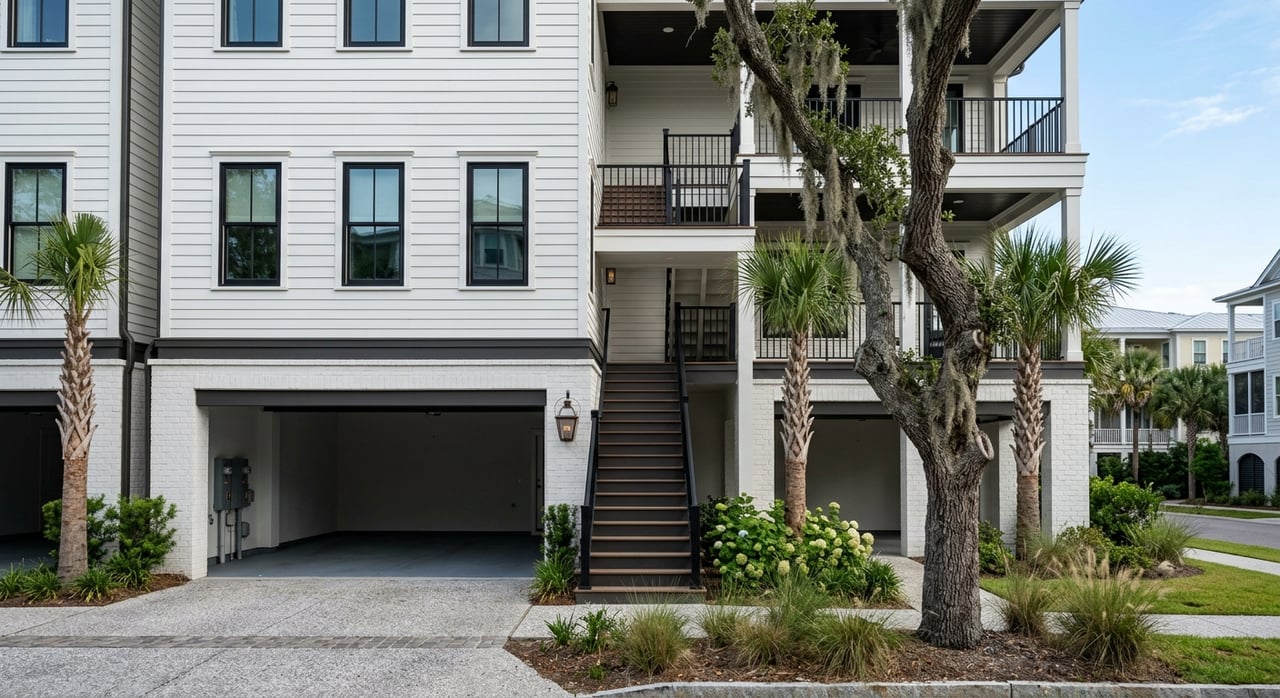
Riverfront living in Wilmington does not look just one way. Downtown housing materials describe a mix that includes historic mansions, single-family homes, condos, townhomes, and modern apartments, while area tourism materials also mention new condos with river views and historic cottages.
That range gives you more flexibility than you might expect. You may be looking for a low-maintenance condo near restaurants, a townhome with easy access to downtown, or a historic property that puts you close to the water and urban amenities.
Location Often Shapes Value
Even with different property types, the shared draw is location. Being close to the river, the Riverwalk, dining, parks, and entertainment tends to be a major part of the appeal.
That is why two properties with very different styles can still attract similar buyers. In this part of Wilmington, lifestyle and setting often carry just as much weight as square footage.
Your Budget Should Include More Than the Mortgage
When you look at riverfront homes or condos, it is important to think beyond the purchase price. One of the clearest examples is flood risk and the cost of insurance.
The North Carolina Department of Insurance says homeowners insurance does not cover flood damage and advises buyers near a river or coast to consider flood insurance. FEMA flood zones affect parts of Wilmington, according to the city’s zoning staff, so flood status should be part of your review early in the process.
Flood Costs Can Vary by Property
Two homes that seem close together on a map can carry very different ownership costs. A property’s parcel-specific flood status may affect insurance needs and your overall monthly budget.
That is why it helps to verify flood-zone details and expected insurance costs before you get too far down the road. For buyers comparing riverfront and nearby downtown options, this step can shape both affordability and peace of mind.
Parking and Convenience Matter Too
Walkability is a big benefit of riverfront living, but parking still matters. The city notes that downtown parking is available through street spaces, decks, and lots.
That may sound simple, but it is part of the everyday experience. If you plan to host guests, attend events, or come and go frequently by car, understanding how parking works near a specific property can make a real difference in how convenient the location feels.
Who Riverfront Living Fits Best
Riverfront living in Wilmington tends to work best for buyers who want an energetic, walkable, water-oriented downtown lifestyle. If you enjoy restaurants, public spaces, culture, boating access, and frequent events, this area can feel exciting and connected.
It may be a weaker fit if you want a more private setting, a larger yard, or a quieter suburban feel. Because the Riverwalk is a major public attraction and Riverfront Park hosts concerts and festivals, nearby life tends to feel open, active, and visitor-friendly rather than tucked away.
How to Decide if It Feels Right
The best way to evaluate riverfront living is to think honestly about your day-to-day preferences. Ask yourself whether you want your home base to feel lively and central, or calm and removed.
You should also consider how often you would use what the area offers. If walkability, dining, events, public waterfront access, and downtown culture would become part of your regular routine, the riverfront may feel like a strong lifestyle match.
If you are exploring Wilmington’s riverfront and want clear, local insight on property types, flood-zone considerations, and how different downtown locations really live day to day, Will Musselwhite can help you make a confident decision.
FAQs
What does riverfront living in Wilmington feel like day to day?
- It typically feels walkable, social, and active, with easy access to the Riverwalk, dining, shops, parks, and cultural venues in downtown Wilmington.
Is Wilmington riverfront living quiet or busy?
- In most cases, it feels busier than a secluded waterfront neighborhood because the Riverwalk is a major public attraction and Riverfront Park hosts concerts, festivals, and other events.
What kinds of homes are near Wilmington’s riverfront?
- The downtown area includes a mix of historic homes, condos, townhomes, modern apartments, historic cottages, and some newer river-view condo options.
Should Wilmington riverfront buyers consider flood insurance?
- Yes. The North Carolina Department of Insurance says homeowners insurance does not cover flood damage, so buyers near the river should verify flood status and expected insurance costs early.
Is Wilmington riverfront living a good fit for everyone?
- Not always. It tends to fit buyers who want an urban waterfront lifestyle with activity and walkability, and it may be less appealing if you prefer more privacy, yard space, or a quieter suburban setting.